Overview
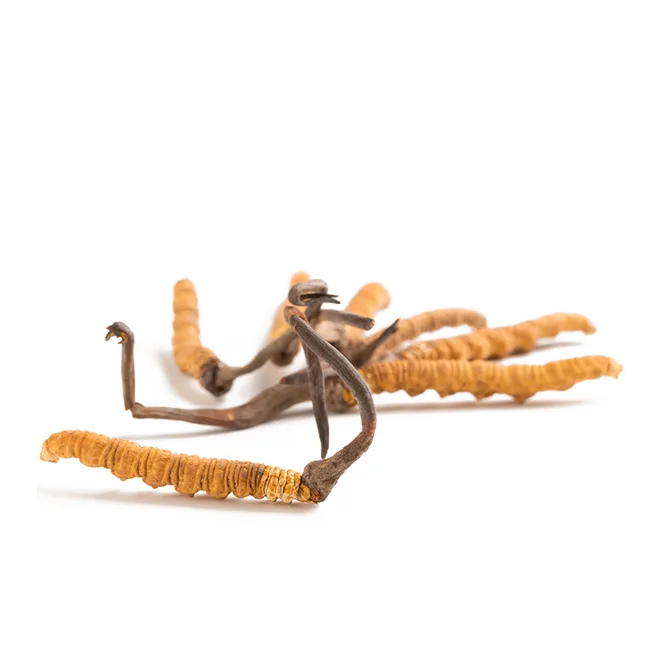
This ingredient line should not be confused with Cordyceps militaris fruiting body products. Although both belong to the broader Cordyceps conversation in the market, they represent different raw materials, different process routes, and different technical interpretations.
Biosan’s Cordyceps mycelium line is based on Paecilomyces hepiali and built around submerged fermentation. The point of this page is not to blur fruiting body and mycelium into one marketing story, but to show clearly that fermentation-derived mycelium is a separate commercial route with its own manufacturing logic.
This page presents mycelium powder and mycelium water extract formats for buyers who specifically require a submerged-fermentation approach.
Available Product Forms
Additional standardised formats and detailed technical versions are available on request.
Note: Full specifications, ratios, and SKU codes are not published online. Use Request Documents for TDS, SDS, and COA samples.
Raw Material Background
Unlike fruiting body Cordyceps products, this ingredient line is built around cultivated mycelium based on Paecilomyces hepiali. The raw material is produced through submerged fermentation rather than field or substrate fruiting. This route allows a more controlled microbial process, cleaner biomass handling, and a manufacturing logic that differs clearly from simple mushroom cultivation.
Processing Pathways
Biosan’s Cordyceps mycelium line is centred on submerged fermentation followed by biomass handling and water extraction. The broad process route is fermentation, separation, concentration, drying, and documentation.
Because this is a fermentation-derived material, it should be interpreted differently from fruiting body Cordyceps products rather than treated as the same thing in another form.
Traditional Use
This product line belongs more to modern fermentation and ingredient manufacturing than to the historical use of wild Cordyceps. Any traditional context, if mentioned, should remain brief and clearly separate from the fermentation-based manufacturing reality.
Scientific / Research Context
Modern scientific interest in Cordyceps-related mycelial materials includes adenosine, mannitol, polysaccharides, and the broader question of how fermentation-derived materials should be interpreted alongside fruiting body products.
Quality & Documentation
Technical documents for Biosan’s Cordyceps mycelium formats are available on request. Biosan can also clarify how submerged fermentation, mycelial biomass, and water extract formats differ from fruiting body ingredients.
FAQ
What is the strain basis of this Cordyceps mycelium line?
This line is based on Paecilomyces hepiali and is produced through submerged fermentation.
Is this the same as Cordyceps militaris fruiting body extract?
No. It is a separate fermentation-based ingredient category with its own processing route and interpretation.
What forms are available?
Biosan can provide mycelium powder and mycelium water extract formats, with additional fermentation-based options available on request.
Does the website show full mycelium specifications?
No. Detailed specifications and technical documents are handled through direct request.
Can Biosan explain the difference between mycelium and fruiting body formats?
Yes. The team can provide practical guidance on the differences between fermentation-based and fruiting body-based Cordyceps materials.
Related Resources
Need Specifications, Documents, or Product Guidance?
If you are evaluating mushroom ingredient options for your market, product line, or formulation work, our team can help you review available formats and provide the relevant technical documents on request.