Overview
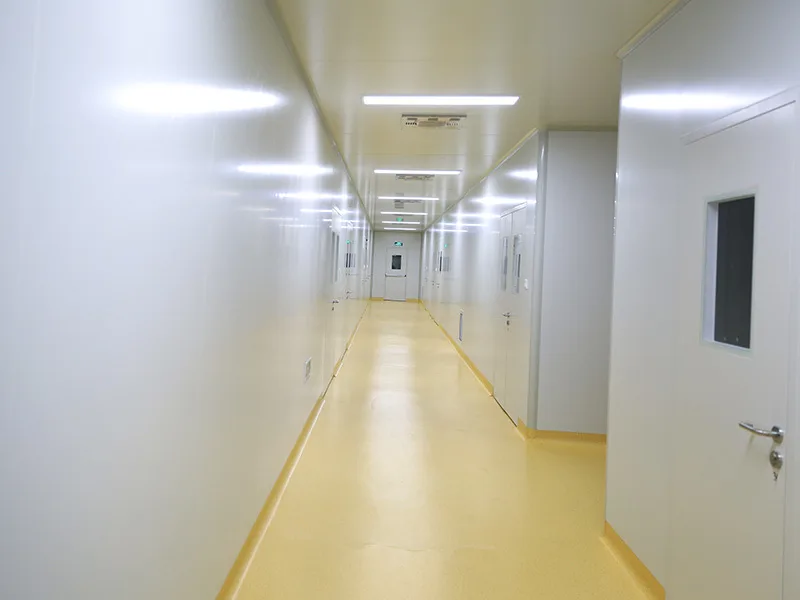
Biosan operates as a production-controlled mushroom ingredient manufacturer. Our quality methodology centers on production control, quality discipline, traceability, in-house manufacturing, and clean facility logic — not certificate display alone.
Certifications & Standards
cGMP is the central pillar of our quality system — emphasized across manufacturing, documentation, and batch release logic.
Sourcing & Traceability
Raw materials are sourced through partner cultivation bases and documented wild-collection networks. We maintain batch-level traceability without claiming fully vertically integrated cultivation for all species.
- Partner farm intake records and geographic origin documentation
- Wild-collection partners with traceable sourcing zones
- Batch IDs linking intake through processing and release
Manufacturing & Hygiene
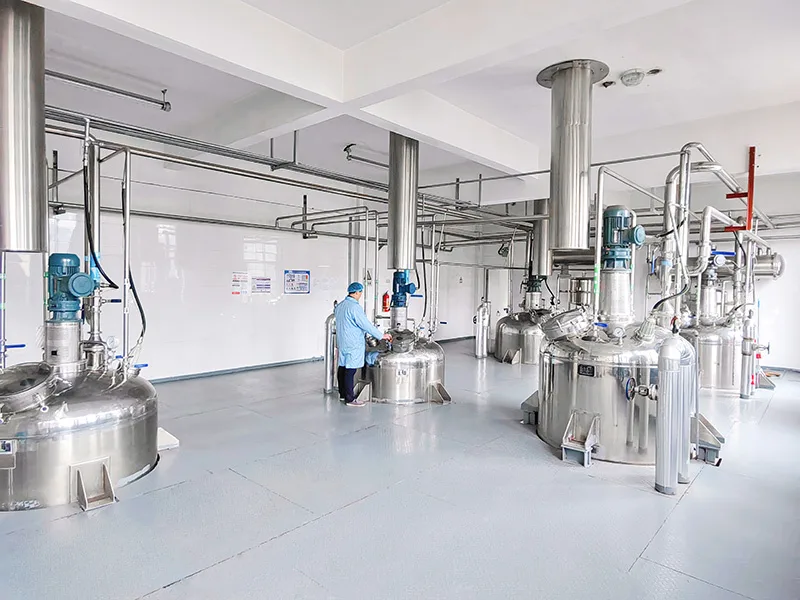
In-house manufacturing covers primary processing — drying, milling, extraction, and spore pathways — under documented hygiene and process discipline aligned with cGMP logic.
- Controlled facility zones and sanitation protocols
- Documented SOPs for each processing pathway
- Batch records maintained from intake to finished material
Testing & Laboratories
Testing combines in-house laboratory capability with accredited third-party partners where required. Identity, purity, and marker assays are run per batch specifications — full results provided on document request.
Documents
Clients may request the following document types — not published in full online:
- Specifications & TDS
- SDS
- COA samples
- Organic certificates
- Allergen statements
- Country-specific compliance documents
Quality Knowledge & Insights
Articles on testing methods, industry standards, and quality discipline.
Frequently asked questions
How should buyers interpret Biosan’s NSF GMP registration?
Biosan is listed by NSF as a GMP manufacturing facility. Request the current certificate to review its scope; facility registration is distinct from certification of an individual product. [S26, S15]
Which documents should I request first?
Start with the current specification and a representative certificate of analysis (COA). State the species and destination market so relevant supporting documents can be discussed.
What should a useful mushroom ingredient COA contain?
A useful certificate of analysis (COA) identifies the product and lot, tests, methods, acceptance limits and results. Check that the supplied batch matches the agreed specification. [S14]
What should mushroom ingredient traceability cover?
Traceability should connect the source lot to processing, testing, packaging and release records. [S14]
What are the respective roles of in-house and external laboratory testing?
Routine in-house checks support process control; suitable external testing can address specialised or independent verification needs. Confirm the specific method and scope. [S16]
How can I determine whether organic evidence applies to the ingredient I am buying?
Check certificate holder, activities, product scope, market and validity, together with any required transaction-chain documents. [S30]
References
- [S26] NSF International. GMP registration listings. Zhejiang Biosan Biotech Co Ltd.
- [S15] NSF. Selecting Dietary and Nutritional Supplements.
- [S14] US FDA. Small Entity Compliance Guide Current Good Manufacturing Practice in Manufacturing Packaging Labeling or Holding Operations for Dietary Supplements.
- [S16] ISO. ISO IEC 17025 2017 General requirements for the competence of testing and calibration laboratories.
- [S30] European Union. Regulation EU 2018 848 on organic production and labelling of organic products.
Contact
Need Specifications, Documents, or Product Guidance?
If you are evaluating mushroom ingredient options for your market, product line, or formulation work, our team can help you review available formats and provide the relevant technical documents on request.